The first time you strap into a cockpit, you feel two things at once. The thrill is immediate, like your body is already leaning into takeoff. The responsibility arrives just as fast, sometimes before you even taxi. It’s in the calm, exacting questions you ask yourself: is the fuel enough, is the weather within limits, are the controls behaving, and do I actually understand what this flight will demand of me from minute one?
People talk about flying like it’s pure freedom. It is freedom, but it’s freedom with a rulebook and consequences. The sky does not forgive sloppy habits. That is the real reason I think becoming a pilot is so compelling. You get adventure, yes, but you also get a kind of maturity that you can measure, practice, and build.
And if you’re considering the path to become a pilot, you’re probably weighing a simple question: is it all worth the discipline? The answer depends on what kind of person you are, and what you want your life to look like when the excitement wears off. Let’s talk about that honestly.
The attraction isn’t just the view
There’s a reason the first flights stick in people’s heads. At cruise altitude, the world turns into a map, roads become thin lines, clouds look like weather you can reason with instead of weather you have to fear. You can fly over places you’ve never seen from the ground and still feel like you belong in the airspace system, like you’re participating in something bigger.
But the view is only part of it. The deeper draw is the experience of operating a complex machine with your own hands and decisions. In a cockpit, every action has a visible result. Turn the nose a little, trim it, watch the airspeed respond. Adjust power, feel the climb rate settle. Manage configuration, and the aircraft behaves according to physics, not hope.
When you learn to fly, you start to trust your process. That’s addictive in a good way. It turns random moments into planned outcomes. You stop guessing. You start anticipating.
It’s also why pilots talk about “workload” and “situational awareness” like they’re personal virtues. Flying makes you aware of time, energy, and consequences. It rewards calm attention. That is adventure, too, just with sharper edges.
The responsibility is real, and it’s the point
A lot of training teaches you to be safe without turning the whole idea into a fear project. You learn checklists not because you’ll forget things, but because your brain is human. You learn weather theory because clouds aren’t just pretty. You learn communications because you’re one part of a system shared by other humans, each with their own workload and intentions.
The responsibility shows up in small, everyday moments. It might be a minor discrepancy during a preflight that you can fix now, rather than letting it slide. It might be a decision to delay a departure because the wind will make an approach stressful. It might be noticing that you’re tired and adjusting your plan before you end up needing to “push through,” which is not a skill pilots brag about.
If you want the honest version, responsibility in aviation is not a vibe. It’s a set of choices you can audit. You can look back and see what you did, what you didn’t, and what outcome you got. That feedback loop is rare in most careers.
Here’s an example I’ve seen again and again. A student will nail a maneuver in training conditions, then freeze slightly on a later flight where the day is busier. The lesson isn’t “you’re not cut out for it.” The lesson is that flying is not only skills, it’s judgment under changing pressure. You learn to build margin, not just proficiency.
That is the responsibility you’re signing up for when you choose to become a pilot. You’re not just learning to operate an aircraft. You’re learning to manage yourself.
Adventure with training wheels, then without
People imagine pilots as people who wake up and go wherever they want. In reality, the early journey is structured and incremental, because the complexity has to be earned.
At first, you spend a lot of time learning the fundamentals of lift, drag, thrust, and control. You learn to fly the aircraft before you fly the idea of flying somewhere. Ground training matters because it’s the foundation for decisions you’ll make at 2,000 feet with limited time to think.
Then, as your license pathway expands, you start adding real-world variables. Distances change. Airspace gets more complex. Weather gets more interesting. Procedures evolve from “learn the steps” into “understand why the steps exist.”
The moment it clicks is rarely dramatic. It’s more like you suddenly notice you’re doing three tasks at once without losing track. You’re scanning, you’re planning, you’re communicating, and you’re still flying the airplane.
That transition is where the adventure becomes sustainable. It’s no longer “I’m up there.” It’s “I’m operating.” And for the right kind of person, that is the best version of adventure.
What the path really feels like
The pilot training experience varies by country, school, aircraft type, and your schedule. But the emotional shape is surprisingly consistent.
There are days when you’re on top of everything, and then there are days when you feel slow. Some of that is normal skill-building. Some of it is just fatigue, sleep, or a busy training day where nothing aligns.
Instructors usually manage this by adjusting expectations. They don’t treat every lesson as a performance test. They treat it as building blocks. You revisit patterns. You practice until the right responses are automatic.
The trade-off is time and focus. If your life is already overloaded, training can feel like trying to drink from a firehose. You learn fast when you can dedicate consistent attention. You learn slower when every lesson is interrupted by stress, work, and logistics.
That’s not a reason to quit. It’s a reason to plan realistically. If you’re serious about becoming a pilot, treat training like a long project, not a short quest.
Skills you’re actually developing
Flying builds a mix of abilities that transfer to almost every part of life. You may not see it at first, but it accumulates.
You learn to prepare without overthinking. You learn to ask the right questions quickly. You learn to communicate clearly under stress. You learn to respect constraints instead of fighting them. And you learn to treat mistakes as data, not as identity.
A strong pilot doesn’t just “know things.” They use the knowledge. They plan with it. They anticipate the next few minutes, then the next few after that.
You also develop a specific kind of patience. In aviation, there’s often no workaround for physics. If the aircraft can’t do it safely, you don’t do it safely. That patience, ironically, is what makes the flying feel free. You stop chasing every possible outcome and start selecting good ones.
The financial and time reality, without sugarcoating
Let’s talk about money, because adventure should not come with secret debt if you can help it.
Training costs depend heavily on where you live, how you train, the type of aircraft, and how much you fly per week. Fuel, instructor time, aircraft rental, maintenance schedules, and check fees all matter. In many places, students pay by the hour for flight time and instructor time, plus ground training and testing. It can add up quickly if your schedule stretches out for long periods.
Time is the other factor. Even if you can pay, training requires repetition. Irregular attendance can slow progress because skills atrophy. This is one place where the “I’ll just start whenever I have time” approach often hurts people later.
If you want a practical way to assess readiness, look at your current life structure. Do you have predictable weekends or evenings? Can you handle changes in weather day to day? Are you able to drive to the airport consistently? Pilot training isn’t only done at the airport, but the airport is where the core practice happens.
I’ve watched students thrive when they treated the plan like a commitment. I’ve also watched students struggle when they kept delaying lessons because of work deadlines and then blamed themselves when progress slowed. It’s not a character test. It’s logistics.
The best path is the one you can actually sustain.
Weather is where confidence meets humility
If you’re looking for romance, weather training might not sound romantic. In reality, it’s where the profession becomes intellectually satisfying.
You learn to read forecasts with discipline. You learn that “partly cloudy” can still hide a dangerous situation depending on ceilings, visibility, wind, and turbulence potential. You learn to respect icing risks, wind shear, microbursts, and the gap between a forecast report and the conditions you actually experience.
A good instructor teaches you to build a margin. That might mean delaying a flight rather than forcing it. It might mean choosing a different route. It might mean accepting that today is not the day for a particular kind of departure.
Here’s a lived truth. The moment you stop treating weather as an obstacle and start treating it as information, the whole experience gets calmer. You begin to see weather as a puzzle you can solve with proper tools and conservative decisions. That’s not fear. It’s competence.
Judgment calls you will make, and how they shape you
Training teaches procedures, but the flight is where you apply judgment. This is where becoming a pilot differs from, say, learning to code or mastering a software package. You can’t simply “try again later” if you choose the wrong option at the wrong time.
You’ll face choices such as:
- whether to continue or divert when conditions change whether a landing is within your skill and the aircraft’s capability whether your personal state, like fatigue, is acceptable
Those moments train you not just to be a competent operator, but to be an accountable person.
I still remember a training day when the winds changed and the expected runway strategy became less comfortable. My instructor and I talked through options, not because we were uncertain about the airplane, but because we were responsible for what the flight would demand. We adjusted, we briefed again, and the approach was smoother because we honored reality instead of resisting it.
That’s the psychological payoff of aviation. You become more honest with yourself, more willing to revise plans, and more capable of making decisions you can explain afterward.
A quick reality check before you commit
If you’re excited, good. Let the excitement fuel you, but keep your eyes open. The following are common “turning point” moments for people who decide to become a pilot.
- You’ll feel slow at first, even when you study hard Your schedule will be disrupted by weather and availability Some days your confidence will outrun your skills, and you must correct for that You’ll learn that good outcomes come from planning, not bravado Your budget will matter more than you expected, especially over long gaps
If those points sound familiar in a way that worries you, that doesn’t mean you shouldn’t train. It means you should choose a plan you can support consistently.
The exam, the ratings, and what “progress” really means
Progress in flying is often misunderstood. People think you pass a test, then you’re done. In reality, you pass a test and then you face the next layer of complexity.
The licensing path may include private pilot training, then additional endorsements and training, then instruments and other ratings depending on your goals and local regulations. Some people focus on commercial work. Others want aviation for travel, family trips, and personal freedom.
A useful mindset is to judge progress by competence, not by speed. If you can fly the maneuvers with consistency, communicate clearly, and make decisions within safe margins, you’re making real progress even when you still feel nervous.
Also, tests are not only about what you can do. They are about how you think. Examiners look for structured thinking: briefing, scanning, control technique, and the ability to manage the unexpected. If you treat the exam like a conversation rather than a fight, you’ll do better and learn more.
What to expect from flight instruction (and how to choose it)
A good instructor can turn fear into focus. A poor instructor can turn the same situation into anxiety that takes months to unravel. That’s why selecting instruction matters.
Strong instruction feels like this: your instructor explains concepts, then demonstrates them, then makes you practice until the right behavior becomes your default. They correct your technique without crushing your confidence. They also teach you the “why,” not only the “what.”
If you’re shopping schools or instructors, pay attention to how they handle questions. Do they answer directly? Do they encourage you to understand the system? Do they push you to build habits, like thorough preflight planning and disciplined radio calls?
You don’t need to be aggressive in your questions, but you do need clarity. You are investing money and time. You should understand the training progression, expected flight hours, and how they handle weather delays.
A small anecdote helps here. On one occasion, a student I knew chose an instructor who promised a fast schedule. The student kept getting rushed through lessons. The result wasn’t speed, it was confusion. Later, with a more structured instructor, the pace became steadier and progress accelerated because the student finally learned the foundations instead of trying to memorize steps.
Speed can be a trap. Consistency is usually the shortcut.
Your first solo is not a finish line
People talk about the first solo as if it’s a single moment, a cinematic rite of passage. It is a big deal, emotionally. But it’s also a moment that reveals what still needs work.
Solo flying proves you can handle the aircraft and the procedures without an instructor taking the controls. That’s significant. But it also exposes your real habits. How’s your scanning? How’s your planning? Are you still checking altitude, airspeed, and configuration like you mean it?
After solo, you learn that discipline has to become internal. You can’t rely on the instructor to catch things. The good news is that the responsibility you gain is also the confidence you keep. It’s not “I can do it.” It’s “I understand how to do it safely.”
For many pilots, the first solo becomes the beginning of a more mature mindset. The adventure is still there, but it’s filtered through careful preparation.
Paperwork, admin, and the parts people ignore
The aviation world has more forms than you might expect. That’s not glamorous, but it’s part of becoming a pilot. Depending on your location, you may manage logbooks, medical requirements, training records, and exam scheduling. Even if you train through a school, you’ll still handle documents and track progress.
Here’s what commonly shows up across many training tracks, though exact requirements vary by country and regulator.
tripadvisor.ch- identification and eligibility paperwork for licensing and exams a medical process, which may range from simple to detailed depending on rules a logbook approach for documenting training and flight time practical exam scheduling requirements and preparation documentation
If you’re organized, this phase feels manageable. If you’re not, it can become a distraction. The trick is to treat administration like part of training, not a side quest.
The lifestyle: what flying does to your habits
Flying changes your day-to-day habits, even when you’re not in the cockpit.
You start reading forecasts more carefully. You start noticing wind patterns and runway orientations. You become the person who asks “what’s the ceiling?” instead of “is it raining?” You also learn that your plans need backups.
You might also adopt a more methodical approach to time. Airports have their own rhythm. Weather has its own tempo. If you’re late, you’re not just late, you can miss the practical window for training and testing. That forces better planning, and it pays off.
And socially, you learn a new kind of respect. Conversations with pilots are often more grounded than you expect. People talk about lessons learned, not only hours flown. They talk about near misses in the careful, responsible way that turns experience into safety culture.
Who should become a pilot, and who shouldn’t
This part is personal, but it’s also practical.
You’ll likely love becoming a pilot if you enjoy responsibility, can accept structured learning, and are willing to make conservative decisions even when it’s tempting to push. You enjoy systems, planning, and steady practice. You’re okay with the idea that the best flight is sometimes the one you delayed or changed.
You might struggle if you hate waiting, you want instant results, or you refuse to follow procedures when you think you’ve “got it.” Aviation punishes that attitude, and punishment is expensive.
But struggling early is not the same as not being a fit. Every new pilot feels shaky. The difference is whether you keep learning, keep revising your habits, and keep taking instruction seriously.
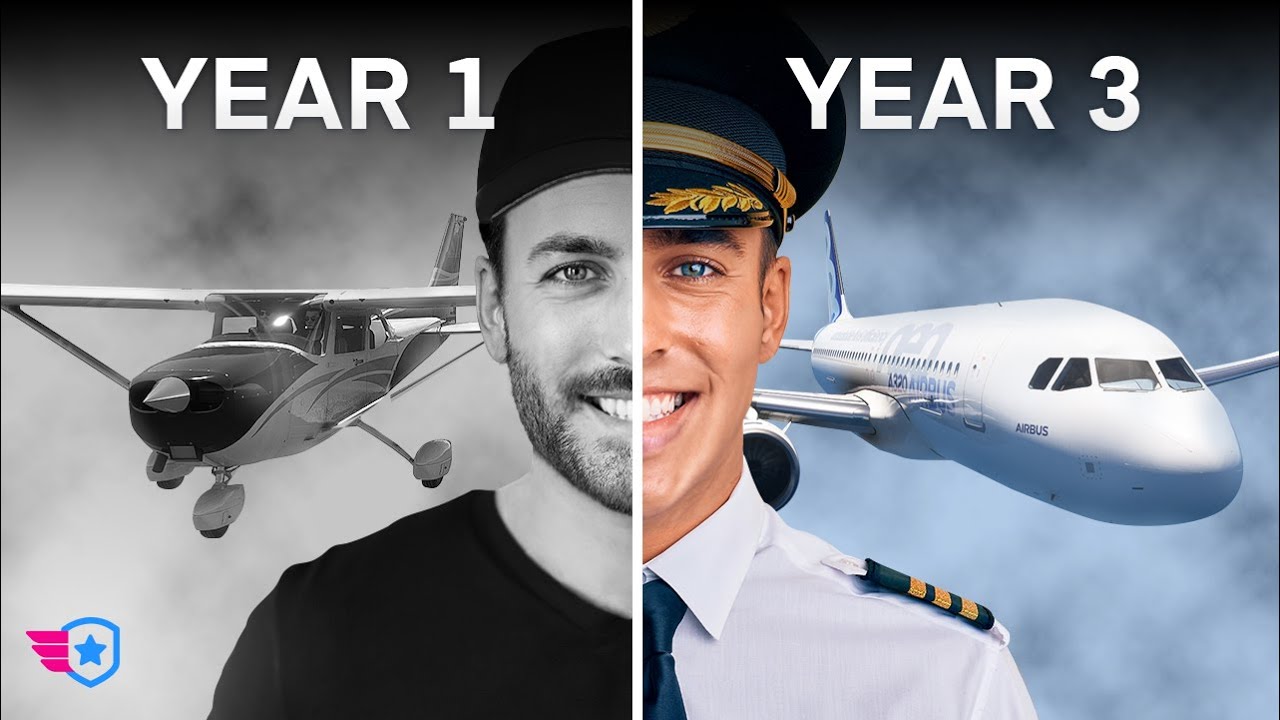
The long-term payoff: flying becomes less about thrill and more about mastery
Over time, the novelty fades, and that’s when flying becomes truly satisfying.
If you stick with it, you start to feel at home in the cockpit. You manage tasks smoothly. You brief without panic. You scan without clinging to checklists like they’re magic spells. You still use them, of course, but they become tools in your toolkit, not crutches.
Then the bigger payoff arrives. Flying stops being only a personal hobby. It becomes a skill that connects you to people, places, and professional standards.
Many pilots end up using aviation to pursue careers, or they use it to enhance their life with travel and responsibility. Some become flight instructors, shaping new pilots. Some join aviation communities. Others simply enjoy the quiet discipline of being capable in the air.
That’s the real answer to why pilots keep going: you become someone who can handle complexity with calm.
A final thought you can test with one decision
If you’re on the fence about whether becoming a pilot is right for you, don’t solve the whole question at once. Make one responsible step.
Book an intro flight or a discovery lesson if your area offers it. Talk to instructors and ask about training pace, weather delays, and what they expect from students week to week. Then watch how you feel after the conversation, not during the excitement.
The right fit won’t feel like pure adrenaline. It will feel like a challenge you respect. It will feel like something you can commit to, even on the slower days.
Because the truth is this: the sky gives you adventure, but it demands responsibility. If you’re ready for both, becoming a pilot isn’t just a dream. It’s a skill, a lifestyle, and a mindset that keeps rewarding you for years.